
Skilled labor training and testing are vital components of workforce development and ensuring high-quality work across various industries.This involves providing individuals with the necessary knowledge, skills, and experience to perform specific tasks or jobs proficiently. Training programs can vary widely depending on the industry and the skills required. They may include formal education through vocational schools, apprenticeships, on-the-job training, or specialized training courses.
Testing is often used to assess an individual's knowledge and skills to ensure they meet certain standards or qualifications. Certification programs validate that individuals possess the necessary skills and knowledge to perform specific tasks or jobs.
In industries where safety is paramount, such as construction or manufacturing, workers may need to obtain safety certifications to demonstrate their understanding of safety protocols and procedures. Some employers or training providers conduct skill assessments to evaluate an individual's proficiency in specific tasks or areas. These assessments may include written tests, practical demonstrations, or simulations.
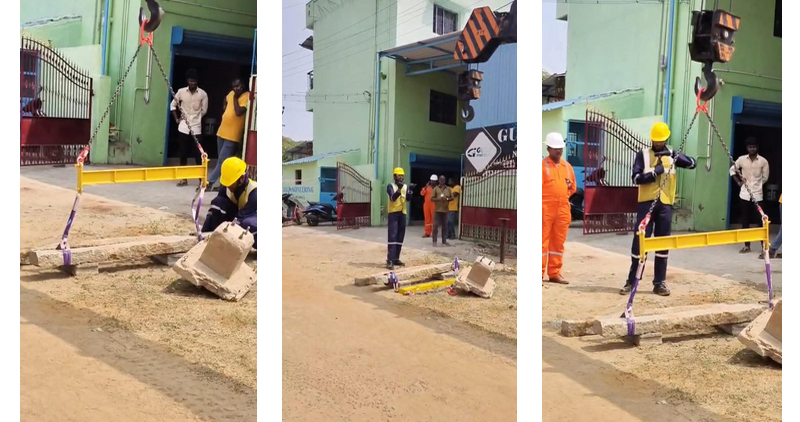
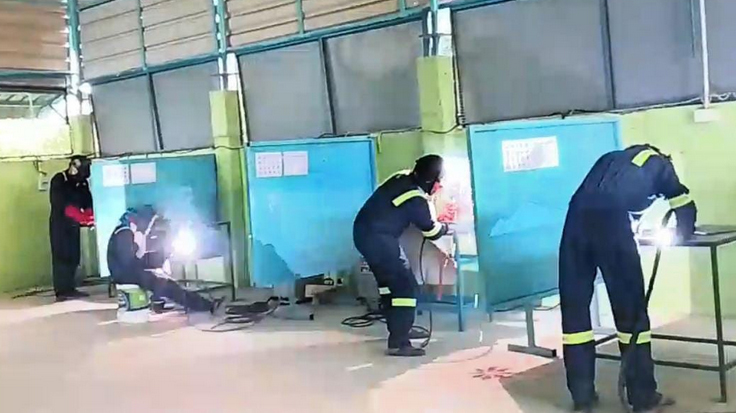

Structured training programs are offered in selected disciplines based on operational capacity and market demand.
1.Engineering & Technical Training:Training availability may vary depending on batch schedules and industry requirements.
Gulf Institute conducts competency-based trade testing and practical skill assessments for manpower categories including:
Trade testing is conducted strictly for competency evaluation purposes in line with employer specifications.
Placement support is subject to employer demand, candidate performance, and prevailing market conditions.